
- By Nashtech PEB Team
- Jun 02, 2026
- 0 Views
Smart PEB Design: The Role of 3D Modeling in Modern Industrial Construction
3D modeling is transforming modern industrial construction by improving accuracy, reducing design errors, and speeding up project execution. In smart PEB design, advanced modeling tools help visualize structures before fabrication, optimize material usage, and enhance coordination between teams. The result is faster construction, lower costs, and more efficient industrial building projects.
Construction is changing quickly, particularly in the steel and industrial construction sector. In the past, planning a massive industrial structure was a lengthy and complex process that relied heavily on drawing manuals as well as repeated revisions and on-site adjustments. Modern technology has revolutionized the way the design of PEB is designed and implemented. Modern automation tools, digital tools, and 3D software can help firms design industrial structures that are more precise and efficient as well as faster to build.
This change is among the primary reasons the demand for Pre Engineered Buildings (PEB) is increasingly sought-after in India. From factories and warehouses to commercial steel structures, companies are now looking for structures that can be planned precisely before construction commences. Thanks to 3D modeling in PEB design engineers are now able to visualize entire structures digitally, reducing construction errors and improving the quality of fabrication and speed up the process of executing projects dramatically.
Table of Contents
- What is PEB Design?
- The Evolution of PEB Design
- How Technology is Transforming PEB Design
- Role of 3D Modeling in PEB Design
- Benefits of 3D Modeling in PEB Projects
- Why Technology is Important in Industrial PEB Projects
- Industries Benefiting from Modern PEB Design
- Why PEB Technology is the Future of Construction
- Future of 3D Modeling and Smart PEB Design
- Conclusion
- FAQs
What is PEB Design?
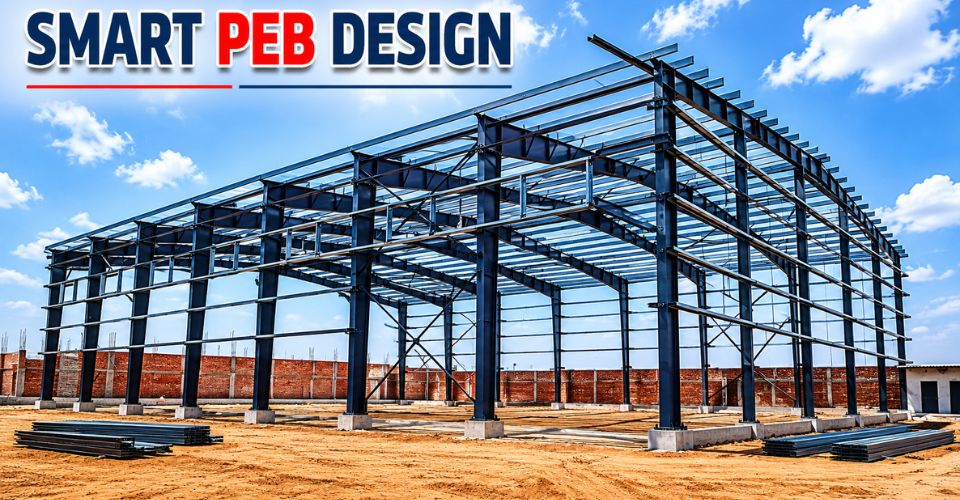
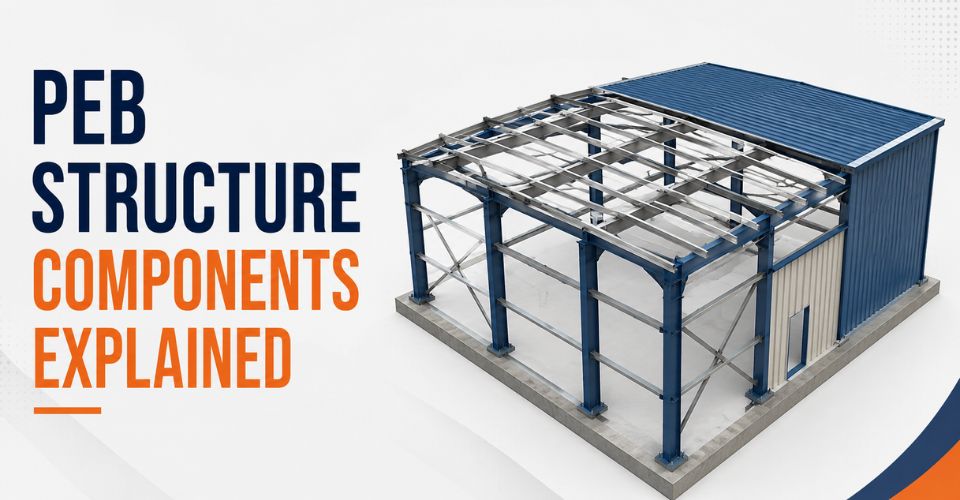
PEB stands for Pre Engineered Building. In this construction method, steel building components are designed and fabricated before reaching the construction site. Instead of building everything manually at the site like traditional construction, the structural framework is manufactured in advance and assembled systematically during installation.
A typical PEB structure generally includes:
- Steel columns
- Rafters and beams
- Roof and wall cladding
- Purlins and girts
- Structural connections
- Ventilation systems
This process helps improve construction speed, structural accuracy, and overall project efficiency.
Read More: Types of PEB Structures Used in Industrial Construction
The Evolution of PEB Design
Earlier, industrial construction depended heavily on conventional RCC methods and manual drafting systems. Engineers used 2D drawings and calculations for planning, which often led to:
- Design confusion
- Fabrication mismatches
- Slow project execution
- Construction delays
- Increased material wastage
As industrial projects got bigger as well as more complicated, conventional methods began to become less effective. Nowadays, technology in PEB construction has transformed the method by which industrial structures are constructed and tested, built and then installed.
How Technology is Transforming PEB Design
Modern technology has changed almost every stage of PEB design and construction.
From planning to fabrication, digital tools now help improve speed, quality, and accuracy.
Computer-Aided Design (CAD) in PEB Design
One of the major innovations in the construction industry is the usage for Computer-Aided Drawing (CAD) software. CAD systems allow engineers to create highly accurate digital structural drawings instead of relying only on manual drafting.
This helps improve:
- Structural detailing
- Design accuracy
- Dimension planning
- Connection layouts
With CAD technology, engineers can make design changes much faster and reduce errors during fabrication.
Building Information Modeling (BIM) in PEB Projects
Another significant improvement involves Building Information Modeling (BIM).
BIM lets engineers create fully digital building models which include:
- Structural systems
- Roofing layouts
- Cladding arrangements
- Mechanical coordination
- Electrical planning
Instead of working with separate drawings, teams can coordinate the entire project through one integrated digital model.
This improves communication between:
- Structural engineers
- Fabrication teams
- Architects
- Installation contractors
In the end, the process is more efficient and more efficient.
Role of 3D Modeling in PEB Design
One of the most significant advancements in the construction industry of today can be 3D modeling in PEB structure.
Instead of imagining the structure using flat drawings engineers can now design 3D models that are complete before fabrication starts.
This helps visualize:
- Structural framing
- Roof systems
- Column placement
- Crane systems
- Internal layouts
- Ventilation planning
3D models help engineers identify possible design issues much earlier, reducing mistakes during construction.
Benefits of 3D Modeling in PEB Projects
Better Design Accuracy
One major advantage of 3D PEB modeling is improved structural accuracy.
Engineers can inspect every part of the building digitally before manufacturing begins. This reduces the chances of fabrication and installation mismatches.
Faster Project Planning
Traditional design revisions often consumed a significant amount of time.
Modern PEB design software allows engineers to update and modify designs quickly, improving project speed.
Improved Visualization for Clients
3D models help clients understand the final structure more clearly before construction starts.
This improves decision-making related to:
- Building layout
- Height planning
- Future expansion
- Functional requirements
Reduced Construction Errors
Construction mistakes usually increase project delays and additional costs.
By using 3D structural modeling, engineers can identify clashes and structural conflicts during the planning stage itself.
This reduces unnecessary corrections later at the site.
Better Coordination Between Teams
Industrial projects involve multiple departments working together.
3D modeling improves coordination between:
- Design teams
- Fabrication units
- Site engineers
- Installation contractors
Because everyone works using the same digital reference, communication becomes much more efficient.
Automation in PEB Fabrication
Technology is not limited only to structural design.
Modern PEB manufacturing facilities now use automated machines for:
- Steel cutting
- Welding
- Drilling
- Bending
- Fabrication detailing
Automation improves:
- Precision
- Fabrication quality
- Structural consistency
- Production speed
It also reduces human error during manufacturing.
Simulation and Structural Testing
Modern software now allows engineers to test buildings digitally before fabrication begins.
Using advanced simulation systems, engineers can analyze how a structure will perform under:
- Heavy wind loads
- Rainfall conditions
- Seismic activity
- Operational loads
- Crane movement
This helps improve structural safety and long-term building performance.
Why Technology is Important in Industrial PEB Projects
Modern industrial buildings are more complex than ever before.
Warehouses and factories now require:
- Large clear spans
- Crane integration
- Efficient ventilation
- Organized storage planning
- Future expansion flexibility
Without advanced digital planning, managing these requirements becomes difficult.
This is why advanced PEB design technology has become extremely important in industrial construction.
Industries Benefiting from Modern PEB Design
Warehousing & Logistics
Warehouses require optimized layouts for storage and movement planning.
Manufacturing Plants
Factories need accurate structural planning for machinery and production systems.
Automobile Industries
Automobile plants often require crane-compatible structures and large-span factory buildings.
Commercial Steel Buildings
Commercial projects employ 3D modeling to coordinate architectural design and structural design.
Pharmaceutical Facilities
Pharmaceutical plants require a precise structure as well as cleanroom co-ordination.
Also Read : Future of PEB in India: Why Steel Buildings Are Becoming the First Choice
Why PEB Technology is the Future of Construction
Construction in the industrial sector is becoming more technologically driven each year.
Businesses today want:
- Faster construction
- Better design accuracy
- Lower project delays
- Optimized material usage
- Improved operational efficiency
Modern technology-driven PEB construction helps achieve all these goals more effectively than traditional systems.
Future of 3D Modeling and Smart PEB Design
As industrial infrastructure continues growing across India, digital engineering tools will become even more important.
Future developments in PEB design technology may include:
- AI-assisted structural analysis
- Advanced BIM integration
- Real-time project visualization
- Automated fabrication coordination
- Smarter material optimization systems
These advancements will make industrial construction more efficient, safer as well as more effective.
Conclusion
Technologies and modeling in 3D have completely revolutionized modern PEB design. The process that was once heavily reliant on drawings drawn by hand and countless revisions is now an extremely optimized and technologically driven process.
From improved visualization of structural elements to quicker project execution and better fabrication performance, 3D modeling in PEB design helps industries build more efficient and smarter industrial infrastructure. As factories, warehouses, logistics parks and commercial steel structures expand across India PEB systems based on technology will play a bigger role in the coming years development of the industrial sector.
FAQs
1. What is 3D modeling in PEB design?
It's the procedure of creating a 3D digital representation of the PEB structure prior to construction beginning.
2. Why is technology important in PEB construction?
Technology enhances design accuracy, reduces the chance of errors and speeds up the process of project execution.
3. What is BIM in PEB projects?
BIM stands for Building Information Modeling, which helps digitally coordinate structural and construction planning.
4. Which industries use advanced PEB design technology?
Logistics, manufacturing, warehouses, automotive, pharmaceutical and commercial industries frequently employ it.
Recent Post

Copyright ©2025 All Rights Reserved by nashtechpeb.com